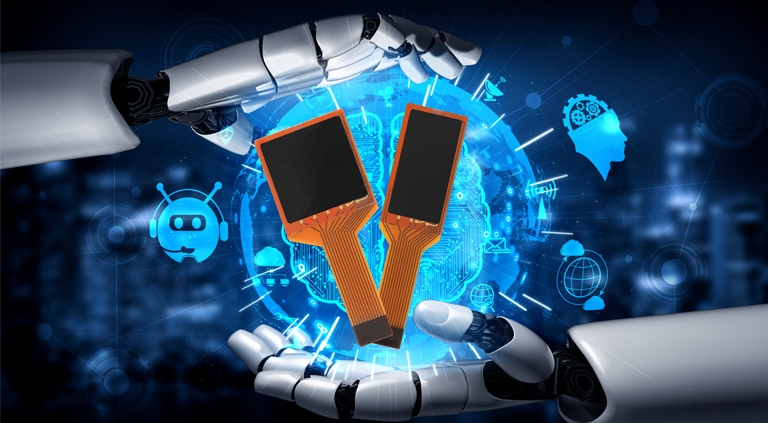
🤖🤖🤖The applications of thin-film pressure sensors on humanoid robots go beyond tactile feedback and safety measures; they play a crucial role in human-robot interaction as well. By embedding thin-film pressure sensors into the robot’s hands, not only can tactile sensing be achieved, but robot performance can also be optimized in the following ways:

🤹🏻‍♀️ Precision Operation: Sensors detect pressure and shape changes when the fingers come into contact with objects, enabling the robot to adjust hand movements more accurately for stable grasping and manipulation.

🤖 Adaptability: With feedback from the sensors, the robot can automatically adjust hand movements to accommodate objects of various shapes and sizes, enhancing operational flexibility and efficiency without the need for prior knowledge of object characteristics.

👋🏻👋🏻 Safety: By sensing the force exerted by the hand on external objects, the robot can avoid applying excessive pressure or causing collisions, thus ensuring its own and the surrounding environment’s safety.

🎉🎉🎉This advanced technology not only makes robots smarter and more agile but also enhances their reliability and safety in various tasks and environments. #SmartTech #RobotInnovation #HumanRobotInteraction 🤖🤖🤖

🎇🎇🎇Unlocking the Top 5 Challenges in Sensor Technology!

💖The realm of sensor technology holds boundless potential, yet it also comes with its fair share of challenges. Let’s delve into these hurdles together:

1️⃣ Complexity & Technical Thresholds:

  • Physical Principles: Understanding the physics behind sensor operations, such as electromagnetic induction and pressure variations, requires a foundational knowledge of physics.
  • Engineering Expertise: Factors like sensitivity and response time necessitate engineering knowledge for proper selection and design.
  • Electronics: Integrating sensors with electronic systems requires understanding of circuits, signal processing, and more.
  • Data Processing & Analysis: Handling and analyzing sensor output data involves knowledge of digital signal processing and other techniques.

2️⃣ Cost & Resource Constraints:

  • Sensor Prices: Manufacturing costs of certain sensors can be high, increasing the burden on product costs.
  • Balancing Cost & Performance: Designing products involves balancing cost and performance considerations.
  • Integration & Engineering Costs: Integrating sensors into products may require additional engineering expenses.
  • Supply Chain & Production Volume: Managing supply chains and production volumes can impact overall product costs.

3️⃣ Standardization & Interoperability:

  • Interface & Protocol Diversity: Different sensors may use varying interfaces and protocols, complicating integration.
  • Data Format Discrepancies: Variances in data formats from different sensors require conversion and parsing.
  • Lack of Unified Standards: The absence of unified standards in the sensor market leads to interoperability issues.

4️⃣ Data Processing & Analysis:

  • Large & Unstructured Data: Sensors generate vast amounts of data, often unstructured or semi-structured.
  • Data Quality & Noise: Data may be affected by various factors, leading to poor data quality.
  • Feature Extraction & Selection: Useful features need to be extracted from raw data for analysis.
  • Data Analysis & Modeling: Proper analysis methods and modeling techniques are needed to uncover insights from sensor data.

5️⃣ Privacy & Security:

  • Certain sensor technologies may raise privacy or security concerns, necessitating considerations of privacy and security.

🎉 Overcoming these challenges will pave the way for smarter, more efficient sensor applications! Let’s tackle them together! 🎉

#[SensorTechnology] #[TechChallenges] #[InnovationFrontiers] #[TechExploration]

♥Empowering Health with Smart Technology!

Ö Enhanced Exercise Effectiveness: Real-time monitoring of pelvic floor muscle activity ensures optimal effectiveness with every Kegel exercise!

Ö Personalized Training Plans: Tailored Kegel training plans based on your muscle activity level ensure more rational and efficient workouts!

Ö Tracking Progress: Utilize sensors to record exercise data, easily track your progress, and set new fitness goals to continuously challenge yourself!

Ö Prevention and Recovery: Kegel exercises aid in preventing and recovering from pelvic floor muscle issues.

✅ Guidance and Training: Seeking guidance and training can help ensure proper Kegel exercise techniques.

✅ Regular Maintenance: Regularly clean and maintain your device to ensure sensor accuracy and reliability.

✨♦ Make smart Kegel devices your indispensable companion for a healthier lifestyle! Discover more and embark on your fitness journey now! ♦✨

✅ Thin Film Pressure Sensor
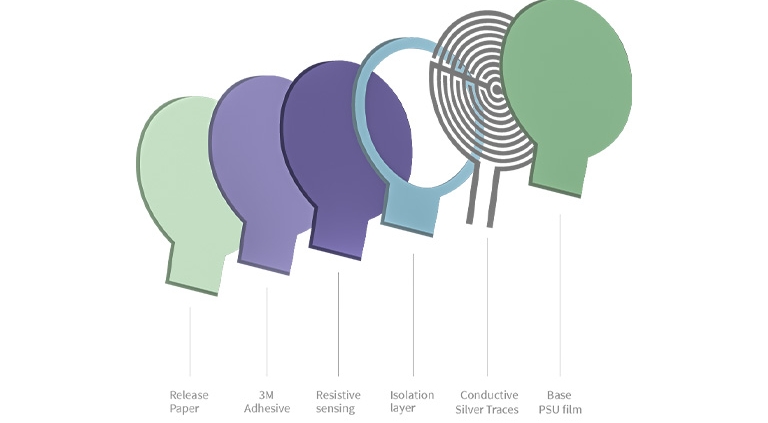
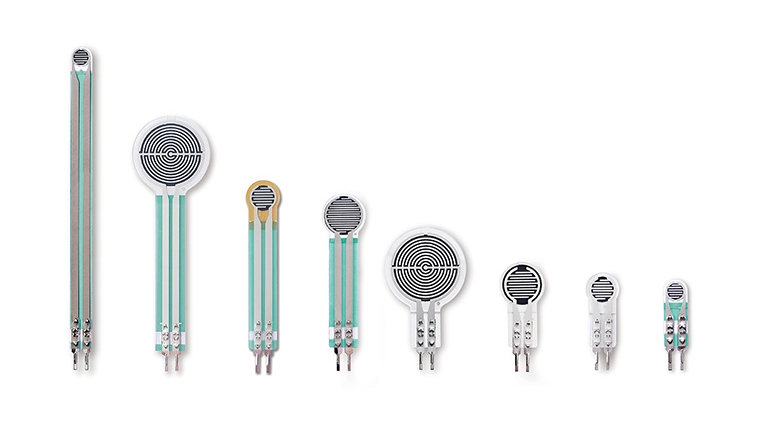
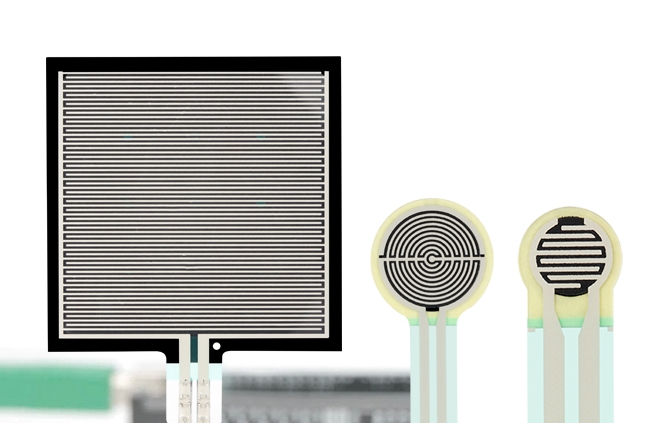
Product Overview: The thin film pressure sensor is a device used to detect and measure pressure applied to its surface. It converts pressure-induced changes in the thin film into electrical signals, commonly used in pressure detection, control, and various other fields. With its high sensitivity, long lifespan, and wide pressure sensitivity range, it finds widespread applications in industrial production, medical devices, and more.

❌ Thin Film Switch
Product Overview: The thin film switch is a type of switch that toggles circuits when pressure is applied. It is typically made of thin film material, and when pressure is exerted, the thin film deforms, triggering the switch to make or break the circuit connection. Due to its simple structural design and flexibility, it is commonly used in switch controls, electronic products, and similar applications.

Performance IndicatorThin Film Pressure SensorThin Film Switch
Principle✔️ Pressure-induced changes❌ Pressure-induced switch
Application Range✔️ Pressure detection, control✔️ Switch activation
Sensitivity✔️ High❌ Low
Structural Design❌ Relatively complex✔️ Relatively simple
Lifespan✔️ Long❌ Moderate
Flexibility✔️ Yes✔️ Yes
Thickness✔️ Thin✔️ Thin
Pressure Sensitivity Range✔️ Wide❌ None
Resistance when Not Triggered✔️ High✔️ High
Can Detect Magnitude of Force✔️ Yes❌ No


✨ Choose the most suitable product based on your specific needs and requirements! ✨

♥Thin Film Resistor Pressure Sensor:

  • Principle: Measures pressure-induced variations
  • Application: Primarily used for pressure detection and control
  • Advantages: Simple design, high sensitivity, long service life
  • Features: Flexible, thin, tolerant to overload without damage

Strain Gauge:

  • Principle: Measures strain-induced variations
  • Application: Mainly used for strain measurement and structural monitoring
  • Advantages: Provides precise measurement results
  • Features: Relatively complex design, rigid, thicker in size

Comparison:

  • Sensitivity: Both high, with strain gauges potentially more sensitive to subtle changes
  • Structural Design: Thin film resistors are simpler, while strain gauges are more complex
  • Application Range: Pressure vs. strain measurement
  • Characteristics: Thin film resistors offer flexibility, whereas strain gauges are more rigid
  • Precision: Strain gauges provide more accurate measurement results

♥ Each sensor has its own unique characteristics suitable for different applications. Which sensor do you prefer?

#Technology #Sensors #Engineering #Tech #News


Performance IndicatorThin Film Resistor Pressure SensorStrain Gauge
PrinciplePressure-induced variationStrain-induced variation
Application RangePressure detection, controlStrain measurement, structural monitoring
Sensitivity✔️ High✔️ High
Structural Design✔️ Relatively simple❌ Relatively complex
Service Life✔️ Long✔️ Long
Flexibility✔️ Yes❌ No
Thickness✔️ Thin❌ Thick
Pressure Sensing Range✔️ Wide❌ Limited
Resistance when Untriggered✔️ High❌ None
Ability to Sense Magnitude of Force✔️ Yes✔️ Yes
Complexity of Hardware Design✔️ Relatively simple❌ Relatively complex
Precision Measurement❌ No✔️ Yes
Flexibility✔️ Yes❌ No
Overload Tolerance✔️ Yes❌ No
No Additional Conditioning Chip✔️ Possible❌ Not possible


  • High Sensitivity: Fast response time enables quick detection of pressure changes.
  • Simple Structure: With a straightforward design and high resistance to interference, it doesn’t require additional conditioning chips.
  • Wide Applicability: Versatile and applicable across various scenarios.
  • Ease of Use: Not prone to errors and can be used with gloves.
  • Cost-Effective: Offers relatively lower costs, making it a budget-friendly option.
Performance MetricsFSR SensorCapacitive Pressure Sensor
Principle✔️ Resistance variation✔️ Capacitance variation
Sensitivity❌ Relatively low✔️ Relatively high
Response Speed✔️ Fast response speed❌ Slow response speed
Structural Design✔️ Simple design❌ Complex design
Interference Resistance✔️ High interference resistance❌ Low interference resistance
Applicability✔️ Widely applicable❌ Limited applicability
Glove Compatibility✔️ Yes❌ No
Temperature Range✔️ Wide temperature range❌ General temperature range
Temperature Drift Impact✔️ Small impact of temperature drift❌ Large impact of temperature drift
Ease of Operation✔️ Not prone to errors❌ Prone to errors
Additional Chips Required✔️ Not required❌ Required
Power Consumption✔️ Low power consumption❌ Moderate power consumption
Cost✔️ Relatively low cost❌ Relatively high cost


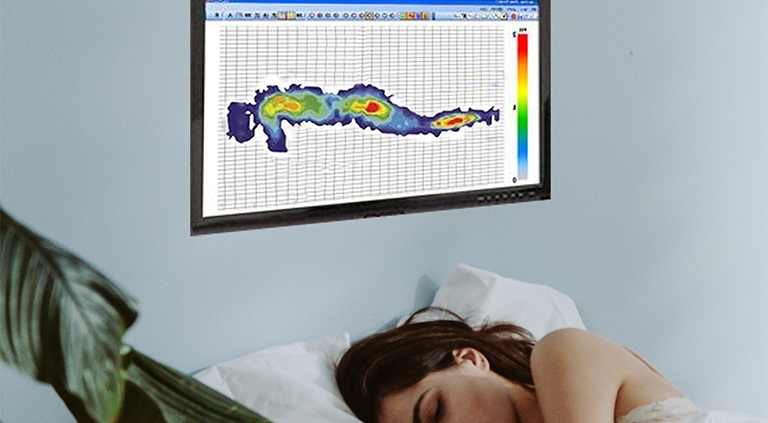
[Shenzhen, China] Legact Tech, a leading provider of sensor solutions, today officially unveils its revolutionary product – the MAT6 Mattress Pressure Mapping Kit. Designed to deeply optimize sleep experiences, this innovative kit integrates cutting-edge sensing technology with smart, user-friendly management, offering unprecedented pressure monitoring and analysis capabilities to mattress manufacturers, healthcare institutions, and research facilities.


【Product Highlights】


Precision Sensing Matrix The MAT6 Kit features six high-precision thin-film pressure sensors, each equipped with 255 sensing points, forming an ultra-dense pressure sensing network spanning 9001530mm. With individual sensor points only 14mm in diameter, it ensures precise capture of even minute changes in body pressure distribution.


Comprehensive Pressure Assessment The system enables real-time monitoring and analysis of sleepers’ body position, comfort levels, and potential high-pressure risk areas, providing scientific grounds for personalized sleep solutions. It effectively prevents pressure ulcers, particularly beneficial for long-term bedridden patients and those pursuing premium sleep quality.


Easy Installation & Operation The ingeniously designed sensor array is recommended to be installed over a rigid base with a protective padding layer, ensuring accurate data collection. With a straightforward USB connection and CH340 driver, users can直观ly visualize pressure distribution heatmaps and detailed reports on the PC software.


Intelligent PC Software The robust software interface not only displays real-time pressure values from each sensing point but also allows users to customize pressure thresholds and color mappings for effortless data interpretation. A one-click screen recording function facilitates documentation and playback of pressure change

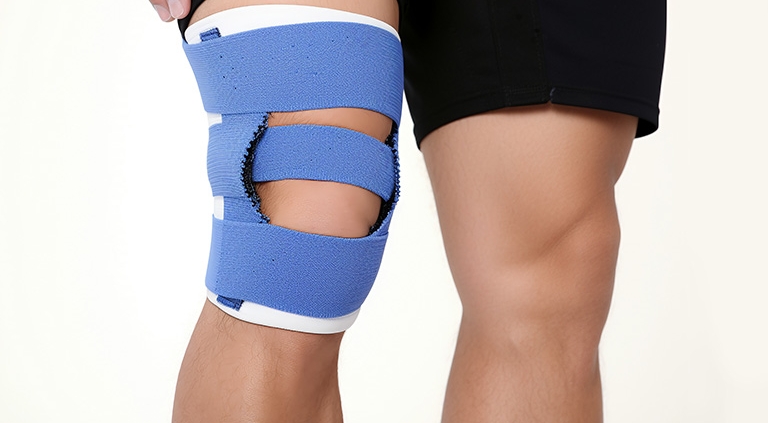
With the continuous advancement of technology, thin film pressure sensors, as a novel medical device, are gradually finding applications in the field of rehabilitation medicine. These sensors effectively monitor and record the pressure distribution of patients during movement or walking, providing rehabilitation doctors with more accurate and comprehensive data to assist patients in faster recovery. Below are some advantages of thin film pressure sensors in rehabilitation medicine:https://film-sensor.com/fsr-sensor-2/

  1. Real-time Monitoring of Rehabilitation Progress: Thin film pressure sensors can monitor the movement and posture changes of patients in real-time during the rehabilitation process. By analyzing pressure data, rehabilitation doctors can understand whether patients’ movement patterns are correct, identify anomalies, and make timely adjustments to the rehabilitation plan to ensure smooth progress.
  2. Personalized Rehabilitation Program Design: Thin film pressure sensors enable the design of personalized rehabilitation programs based on the specific needs and requirements of patients. By monitoring the pressure distribution of patients, rehabilitation doctors can tailor training plans accordingly, helping patients effectively restore their mobility.
  3. Enhanced Rehabilitation Efficiency: Thin film pressure sensors assist patients in accurately understanding their movement status and posture, thereby facilitating more effective rehabilitation training. With real-time feedback, patients can promptly adjust their movement posture, reduce the impact of poor movement habits, and improve rehabilitation efficiency.
  4. Prevention of Sports Injuries: During the rehabilitation process, patients often exhibit incorrect movement postures or poor movement habits, which may lead to sports injuries. Thin film pressure sensors can identify these issues promptly and provide real-time alerts and adjustment suggestions, helping patients prevent sports injuries.
  5. Promotion of Functional Recovery: By monitoring the pressure distribution of patients during rehabilitation training, thin film pressure sensors enable rehabilitation doctors to better assess the functional recovery of patients. Timely adjustments to the rehabilitation plan and targeted training can promote functional recovery and enhance quality of life for patients.

Overall, thin film pressure sensors hold significant promise and vast potential in the field of rehabilitation medicine. They provide valuable data support for rehabilitation doctors, facilitating faster patient recovery, improving rehabilitation efficiency, preventing sports injuries, and promoting functional recovery. With ongoing technological advancements and expanding applications, thin film pressure sensors are set to become essential auxiliary tools in the field of rehabilitation medicine, offering patients a better rehabilitation experience and higher success rates in recovery.

With the advancement of modern technology, sensor technology has become increasingly widespread in the field of sports. As an important type of sensor, thin film pressure sensors play a crucial role in sports. This article will explore the applications of thin film pressure sensors in the field of sports and compare them with other sensors.

Applications of Thin Film Pressure Sensors

  1. Motion Analysis: Thin film pressure sensors can be embedded in sports insoles, gloves, or clothing to analyze athletes’ postures and gaits. By monitoring pressure distribution on the soles of the feet or hands, athletes’ movement techniques and efficiency can be evaluated, providing data support for training and adjustments.
  2. Optimization of Sports Equipment: In sports equipment design, thin film pressure sensors can be used to test and improve the comfort and performance of equipment. For example, sensors can be embedded in sports shoes, bicycle seats, or helmets to assess athletes’ comfort and safety during exercise.
  3. Sports Rehabilitation: In rehabilitation therapy, thin film pressure sensors can be used to monitor patients’ movement processes. By monitoring patients’ pressure distribution in real-time, rehabilitation professionals can adjust treatment plans to help patients regain their mobility.

Comparison of Thin Film Pressure Sensors with Other Sensors

  1. Comparison with Inertial Sensors: Inertial sensors (such as accelerometers and gyroscopes) are mainly used to measure acceleration and angular velocity and are suitable for analyzing athletes’ acceleration and rotation. Compared to inertial sensors, thin film pressure sensors are more suitable for measuring athletes’ contact pressure with the ground or equipment, providing more detailed and comprehensive data.
  2. Comparison with Optical Sensors: Optical sensors (such as cameras or photovoltaic sensors) can be used to capture athletes’ motion trajectories and postures. However, they are affected by light and environmental conditions and may not be suitable for outdoor sports or complex environments. In contrast, thin film pressure sensors can reliably operate in various environments and provide real-time pressure data.
  3. Comparison with Biosensors: Biosensors (such as heart rate monitors or electromyograms) are mainly used to monitor human physiological parameters. While these sensors are useful for assessing athletes’ physiological status, they do not provide direct information about movement techniques and postures. Thin film pressure sensors can complement this deficiency by providing detailed data on athletes’ movements and postures.

In summary, thin film pressure sensors have a wide range of applications in the field of sports, including motion analysis, optimization of sports equipment, and sports rehabilitation. Compared to other sensors, thin film pressure sensors provide more comprehensive and detailed pressure data, suitable for various environments and applications, and provide more accurate and effective data support for athletes and rehabilitation patients.

With the changing lifestyle of modern society, our sitting habits are becoming increasingly unhealthy. Prolonged periods of poor sitting posture may lead to spinal issues, neck discomfort, sciatica, and other health problems. In such a context, the smart pressure cushion emerges, providing us with a novel solution. So, what are the functions of a smart pressure cushion? Let’s explore.

1. Posture Improvement and Enhanced Comfort

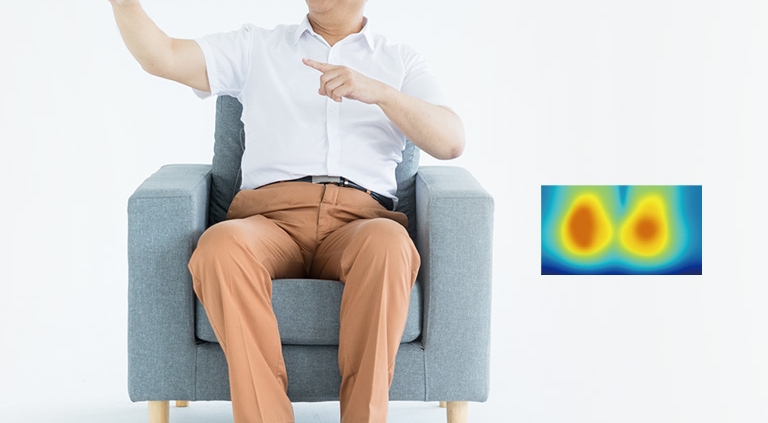
Utilizing advanced sensor technology, smart pressure cushions can monitor our sitting posture in real-time and provide feedback based on pressure distribution. By analyzing this data, we can understand whether our sitting habits are correct and whether there are areas of excessive pressure concentration. With feedback from smart pressure cushions, we can adjust our posture in a timely manner, improve sitting habits, and consequently increase comfort, reducing the occurrence of back pain and other issues.

2. Prevention of Sitting-Related Diseases

Prolonged incorrect sitting posture may lead to various sitting-related diseases, such as spinal issues, neck discomfort, sciatica, and more. Smart pressure cushions can provide timely reminders to adjust our posture by monitoring our sitting posture in real-time, preventing the occurrence of these potential health problems. This is particularly important for those who need to sit at their desks for long periods, such as office workers.

3. Health Management in the Workplace

In the workplace, prolonged sitting is common, and poor sitting habits may negatively impact employees’ health, thereby affecting work efficiency and productivity. Smart pressure cushions can be applied to office chairs to provide employees with sitting posture monitoring and adjustment suggestions, helping them maintain good working posture, and improve work comfort and efficiency.

4. Rehabilitation Therapy Assistance

In rehabilitation therapy, correct sitting posture is crucial to the rehabilitation process. Smart pressure cushions can help rehabilitation professionals monitor patients’ sitting posture, ensuring that they maintain the correct posture during the rehabilitation process, thereby accelerating the rehabilitation process.

5. Optimization of Sports Seats

In the fields of car seats, wheelchairs, and other seats, smart pressure cushions can also play an important role. By monitoring users’ sitting posture and pressure distribution, smart pressure cushions can help design seats that are more ergonomic, improving sitting comfort and health.

In summary, smart pressure cushions can not only improve our sitting habits and comfort but also prevent sitting-related diseases, improve health management in the workplace, assist in rehabilitation therapy, and optimize sports seat design. They provide us with an effective way to manage sitting health, promoting physical health and comfort. Let’s embrace the revolution of comfort and health brought by smart pressure cushions!