• Array Pressure Distribution

    Array Pressure Distribution can be used for applications such as pressure distribution measurement, multi-point monitoring, occlusal monitoring, gait analysis, local stress analysis, ulcer and pressure ulcer analysis, foot neuropathy analysis, and more

Pressure Mapping Systems

Explore LEGACT sensor matrices, data acquisition hardware, and visualization software for contact pressure distribution evaluation. Compare systems for seating, plantar pressure, mattress development, and industrial contact testing.

Request a System Quote | View System Documentation | Explore Sensor Arrays

What to Confirm Before Choosing a System

  • Active area, sensing point count, and sensor dimensions.
  • Frame rate, acquisition interface, and supported software.
  • Whether the supplied readings are raw ADC values or calibrated measurements.
  • What is included: sensor, acquisition hardware, cables, software, and documentation.
STANDARD PRODUCT

RPPS-10000pro
Pressure Distribution Detection System

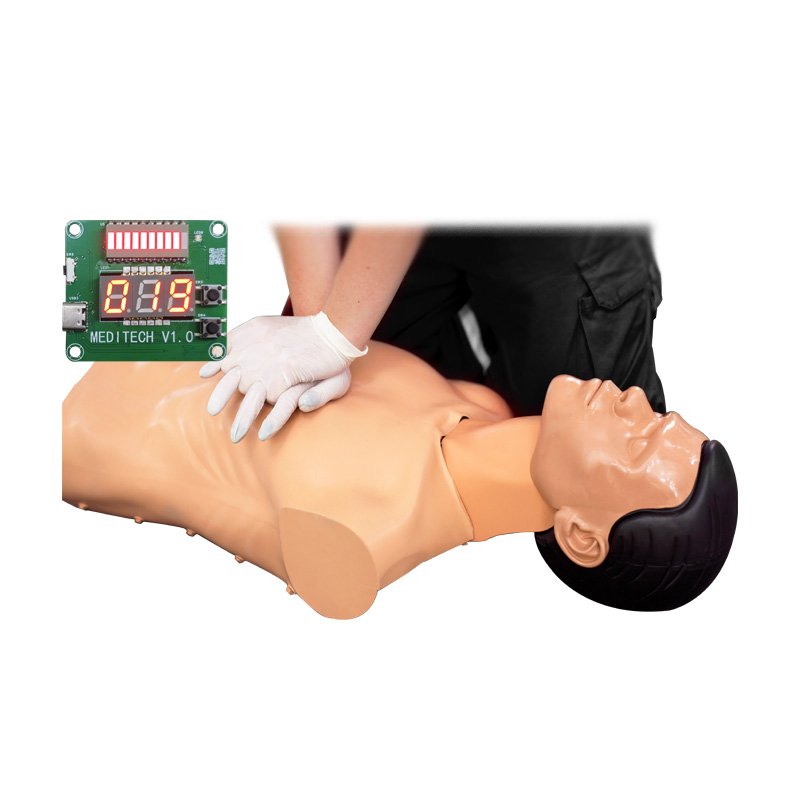
External chest compression
System solution

STANDARD PRODUCT

RPPS-16

Range: 0.5kg – 10kg (single sensing point)
Includes hardware and software

RPPS-400485

Range: 10g – 3kg (single sensing point)
Includes hardware and software

FPH2500pro

Range: 100g – 5kg (single sensing point)
Includes hardware and software

RPPS-99

Range: 0.1kg – 10kg (single sensing point)
Includes hardware and software

Pressure Distribution Detection System

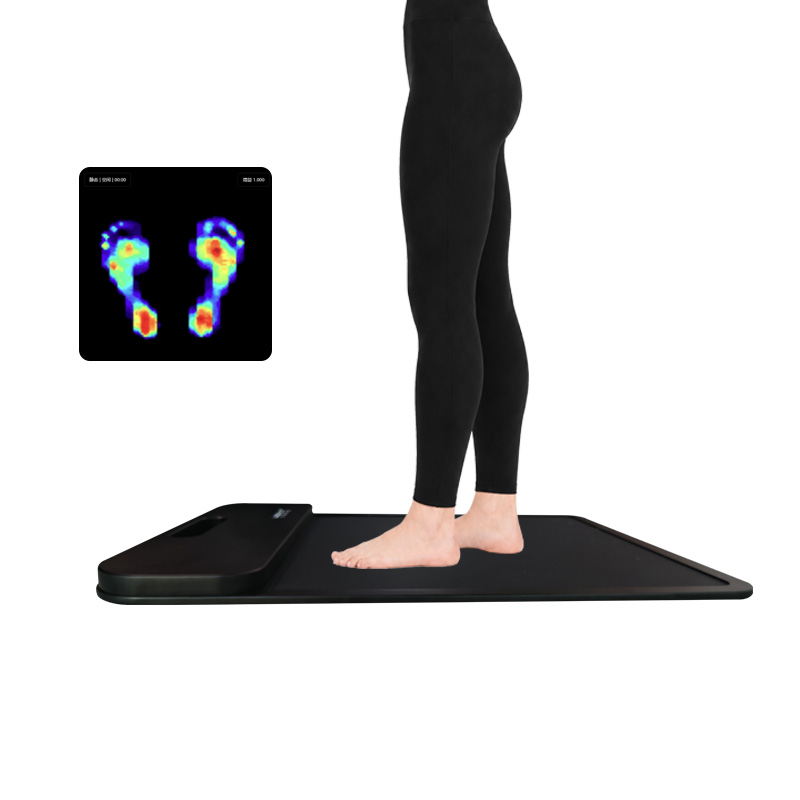
The pressure distribution system collects real-time pressure data from the object’s surface through a sensor matrix and conducts visual analysis.

This helps users make scientific decisions and is widely applied in various fields, assisting in optimizing product design, enhancing safety and comfort.

• Technical features: High precision and real-time performance, with a high density of sensors (approximately 200 sensing points per square centimeter), capable of dynamically capturing pressure changes.

• Visualization and data analysis: Generates pressure heat maps, supporting quantitative analysis of indicators such as pressure peaks and uniformity.

• Customizable adaptation: Can be designed with flexible and waterproof characteristics based on requirements.

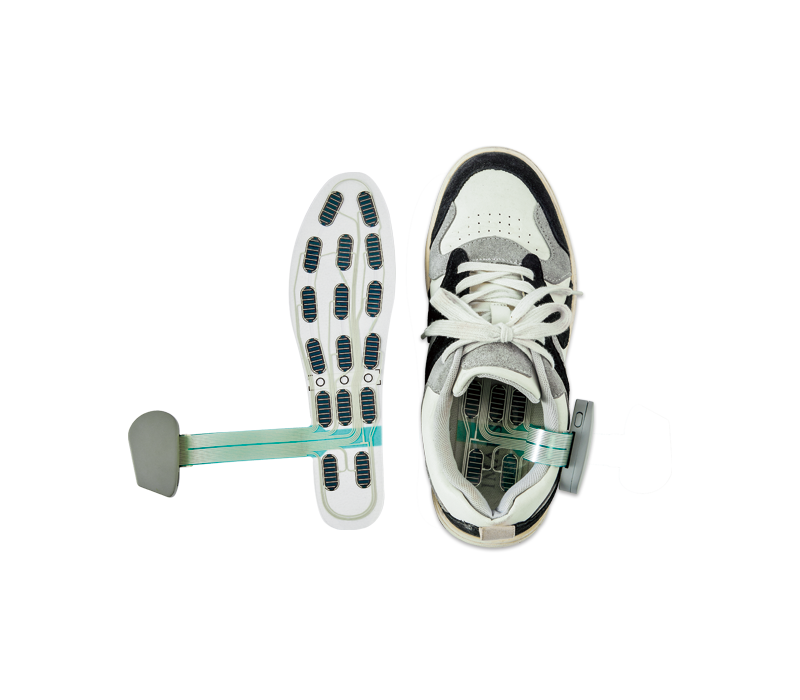
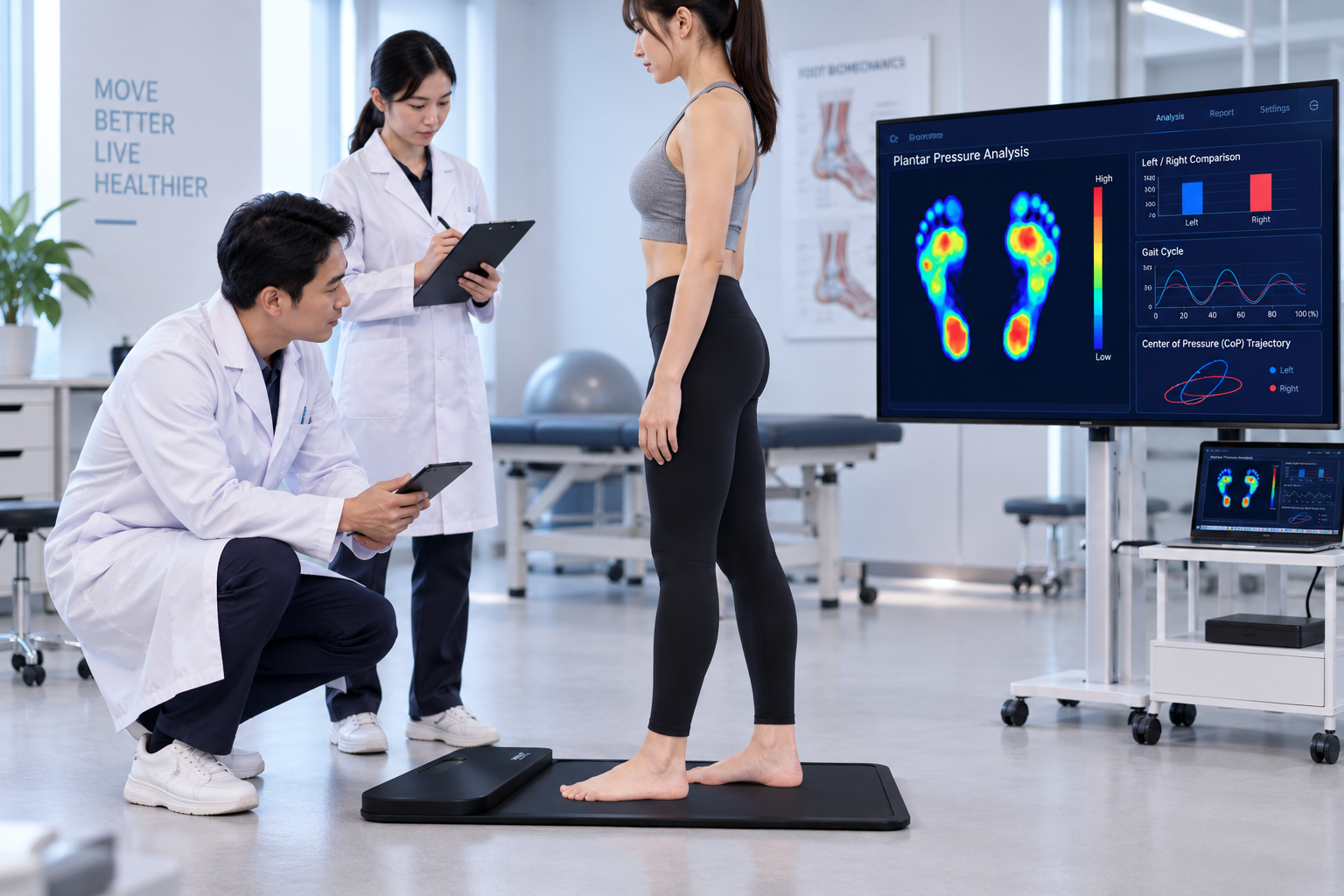
Foot sole pressure distribution system

  • Gait analysis and motion optimization:
    Detect the pressure distribution on the sole during walking or running (such as arch support, center of gravity shift), and assist in correcting abnormal gait (such as flat feet, inward/outward bowing).
  • Personalized shoe customization:
    Design orthotic insoles or sports shoes based on pressure data to alleviate foot diseases (such as diabetic foot, plantar fasciitis).
  • Improvement of athlete performance:
    Analyze the pressure distribution on the sole during actions like jumping and landing, and optimize training plans (such as basketball, sprinting).

The foot pressure system, combined with biomechanics and sensor technology, has become a core tool in sports science, medical rehabilitation, and shoe design, helping to achieve precise health management and breakthroughs in athletic performance.

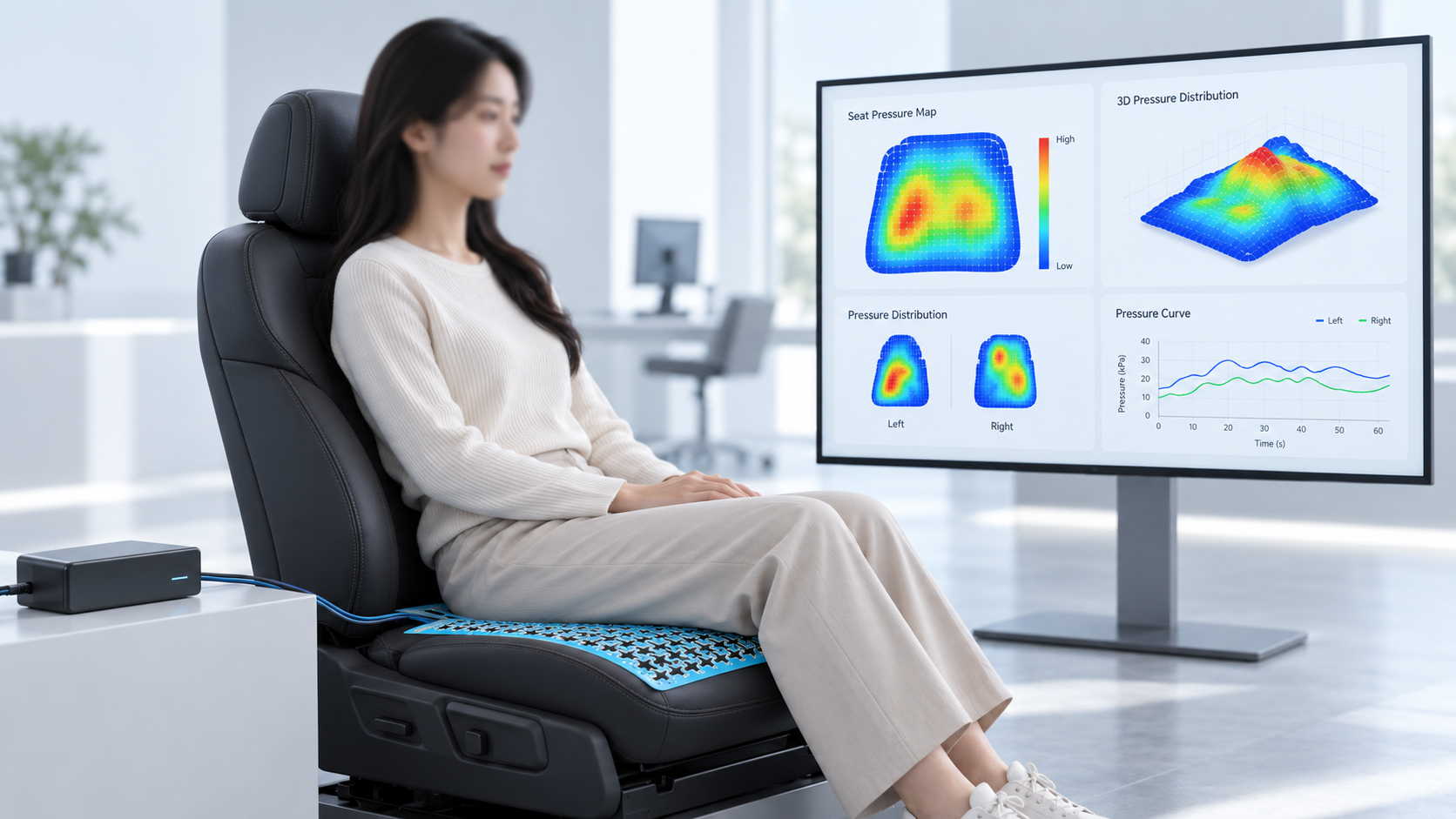
Car Seat

  • Driver status monitoring:
    Real-time detection of seat pressure distribution, identification of driver’s sitting posture (such as body tilt, prolonged sitting fatigue), and linkage with seat’s automatic adjustment of lumbar support or ventilation function to enhance comfort.
  • Fatigue prevention driving warning:
    Analysis of pressure changes during long-term driving (such as frequent adjustments of sitting posture), combined with algorithms to determine fatigue state, and through sound or vibration to remind of rest.

The array pressure sensor upgrades the traditional car seat into an intelligent interactive terminal, taking into account both comfort optimization and active safety protection, promoting the development of intelligent cabins towards humanization and high safety.

The thing that worries me the most is “feeling like you know it, but actually doing it wrong”

Details such as insufficient depth and too high frequency can all affect the effectiveness in real emergency situations. The external chest compression training system can monitor key indicators like compression depth and frequency in real time. It provides real-time feedback through lights and sounds to help trainees quickly correct their movements. This ensures that each practice is closer to the standard. It offers a digital, standardized, and replicable training solution for emergency education.

Copyright©2026 Legact | All Rights Reserved | Designed by Nocti